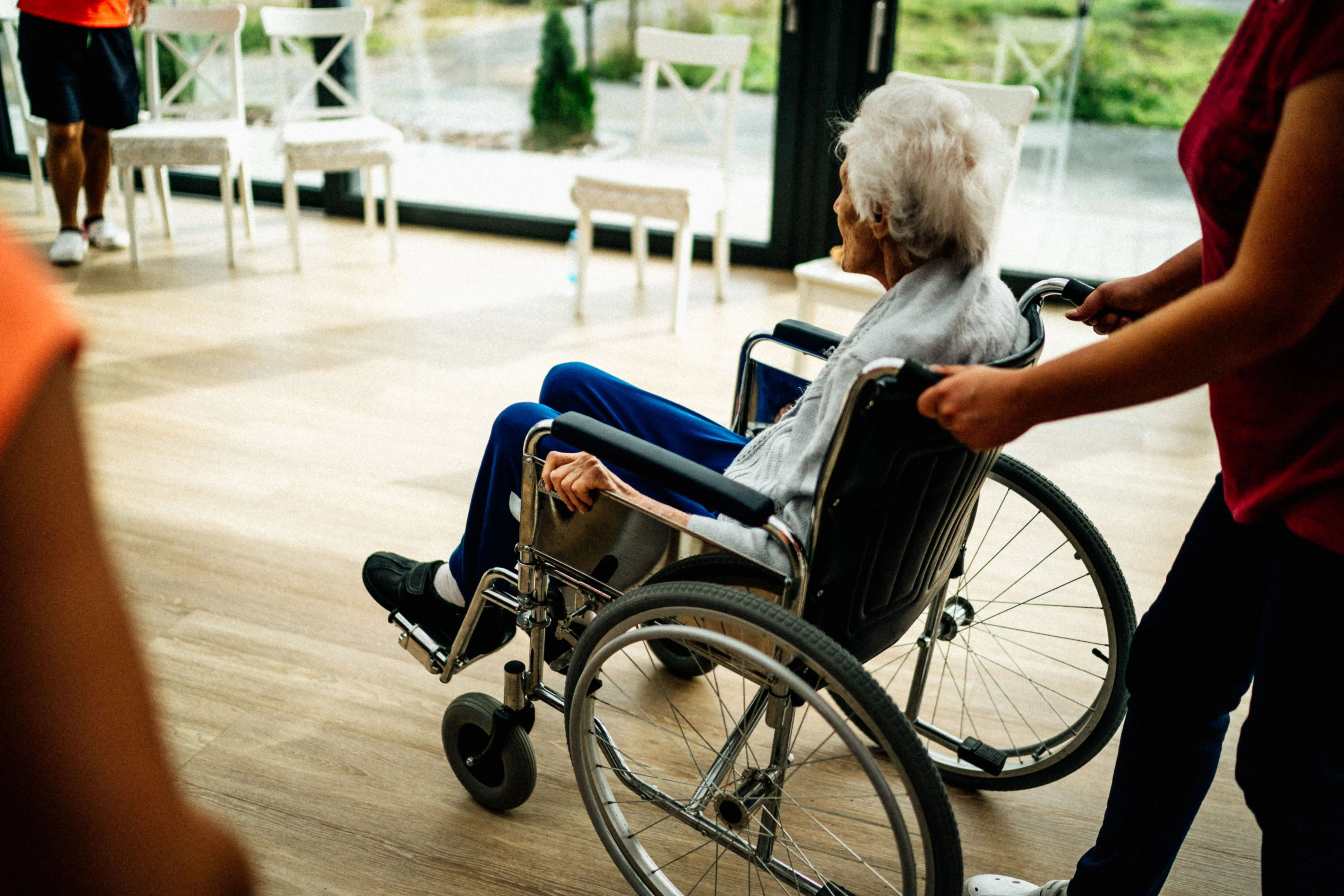

For an older person, a fall can change a great deal. Even when nothing is broken, it can shake their confidence, and some people start moving less afterwards, which can leave them weaker and less steady than before.
The encouraging part is that many of the hazards behind falls at home are easy to fix. Most of the ideas below cost little or nothing, and you can work through them in an afternoon.
Start with a walk-through
Walk through the home the way your parent moves through their day: from the bed to the bathroom, to the kitchen, to their favourite chair and to the front door. Look for anything they could trip over, anywhere that is dim, and any spot where they steady themselves on furniture that wobbles.
Ask your parent where they feel unsteady. They often know exactly which step or corner worries them.
Floors and walkways
- Remove loose rugs and doormats, or fix them firmly in place. Curled edges are easy to catch a foot on.
- Run wires and charging cables along the walls, not across walkways.
- Keep floors clear of clutter, especially on stairs and in passages.
- Wipe up spills straight away, and take extra care on freshly mopped floors.
- Mark the edge of any step or change in floor level, for example at a bathroom or balcony door, with a strip of brightly coloured tape.
Lighting
- Make sure every room and passage has bright, even light, with switches that can be reached easily from the doorway and from the bed.
- Use night lights along the route from the bedroom to the bathroom.
- Keep a torch or rechargeable lamp within reach of the bed in case of a power cut.
The bathroom
The bathroom combines wet, hard floors with a lot of bending, standing and turning, so it deserves extra attention.
- Put non-slip mats inside and just outside the bathing area.
- Fit grab bars beside the toilet and where your parent bathes. Towel rails and taps are not designed to take a person’s weight.
- A sturdy plastic stool lets your parent sit down while bathing.
- A raised toilet seat or a commode chair makes sitting down and standing up easier.
- Keep soap, shampoo and towels within easy reach, so no one has to stretch or bend on a wet floor.
The bedroom
- Check that the bed is at a height where your parent can sit with their feet flat on the floor.
- Encourage them to sit on the edge of the bed for a minute before standing up, especially at night and first thing in the morning. Getting up too quickly can cause dizziness.
- Keep a phone, spectacles and a glass of water on the bedside table.
Stairs and entrances
- Make sure there is a firm handrail, ideally on both sides.
- Keep stairs well lit and free of shoes, bags and other objects.
- Check the steps at the entrance, which can become slippery in the rain.
Everyday habits that help
Changes to the house matter, but so does the way your parent moves.
- Footwear: well-fitting slippers or shoes with a firm, non-slip sole are safer than loose chappals, socks or bare feet on smooth floors.
- Walking aids: if a doctor or physiotherapist has recommended a stick or walker, encourage your parent to use it every time, including indoors, and check that it is set to the right height.
- Eyesight: regular eye check-ups and up-to-date spectacles help your parent see hazards in time.
- Medicines: some medicines can cause dizziness or drowsiness. If your parent often feels light-headed, or takes several medicines, ask the doctor to review them. Never stop a medicine without medical advice.
- Staying active: gentle, regular activity, such as a daily walk and any exercises a physiotherapist recommends, helps maintain strength and balance.
- Food and water: skipping meals or not drinking enough water can leave an older person weak and light-headed.
If a fall does happen
Talk with your parent about what to do if they fall when they are alone, and encourage them to keep a mobile phone on them during the day.
If they do fall, do not rush to pull them up. Check first whether they are hurt. If they are in pain, cannot move, have hit their head or seem confused, call for medical help (108 or 112 in an emergency). Tell the doctor about any fall, even one that seems minor, because it can point to a problem that can be treated.
When an extra pair of hands helps
Some parents are steady most of the time but need someone close by for the riskier moments: bathing, getting up at night or walking outside. A trained attendant can provide that support while still letting your parent do as much as they can for themselves.
At Aayush Home Health Solutions, our trained attendants and elder care staff help with walking, moving around the home and daily routines, and physiotherapy at home can help rebuild strength and balance after an illness or a fall. If you are worried about a parent’s safety at home, talk to us.