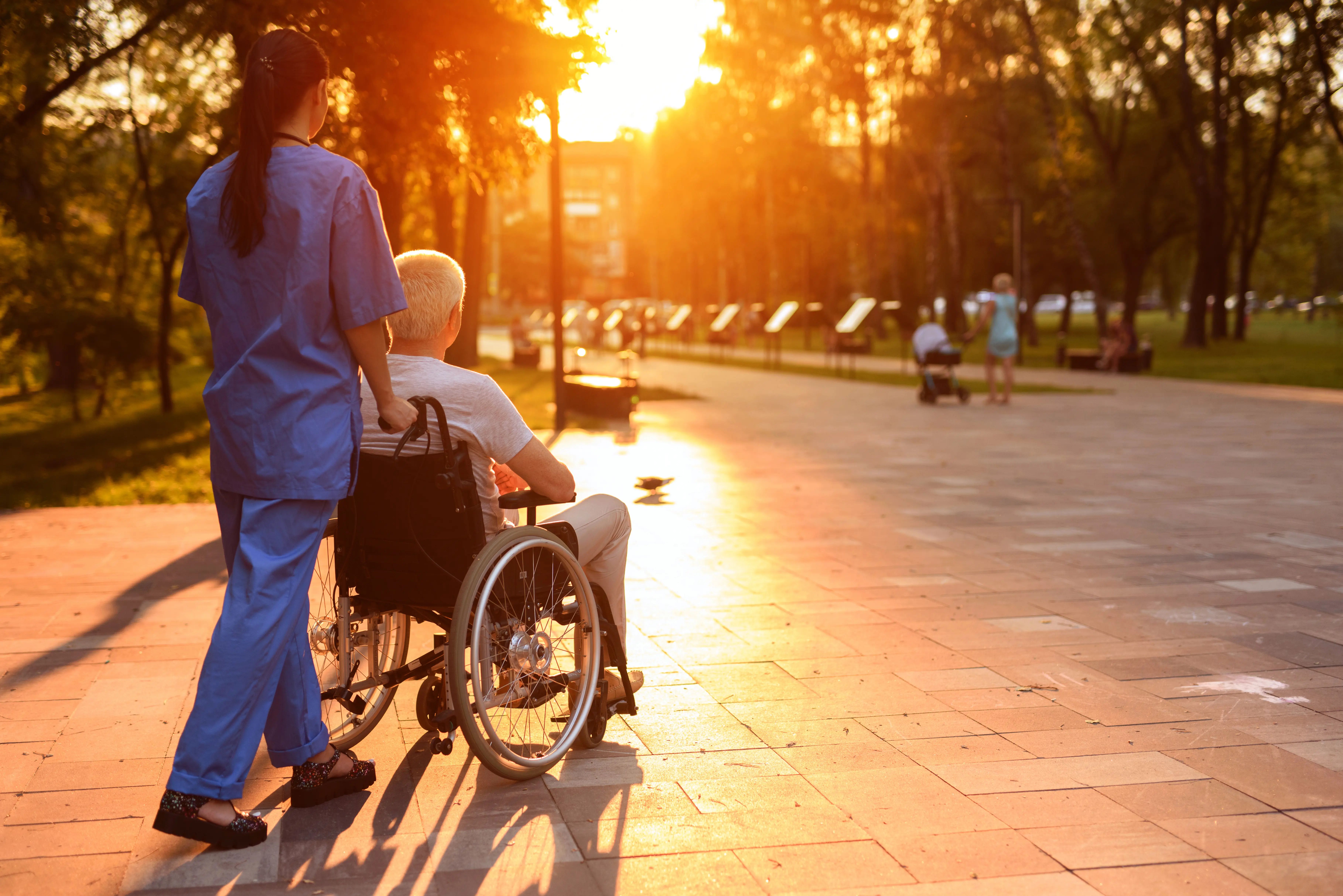
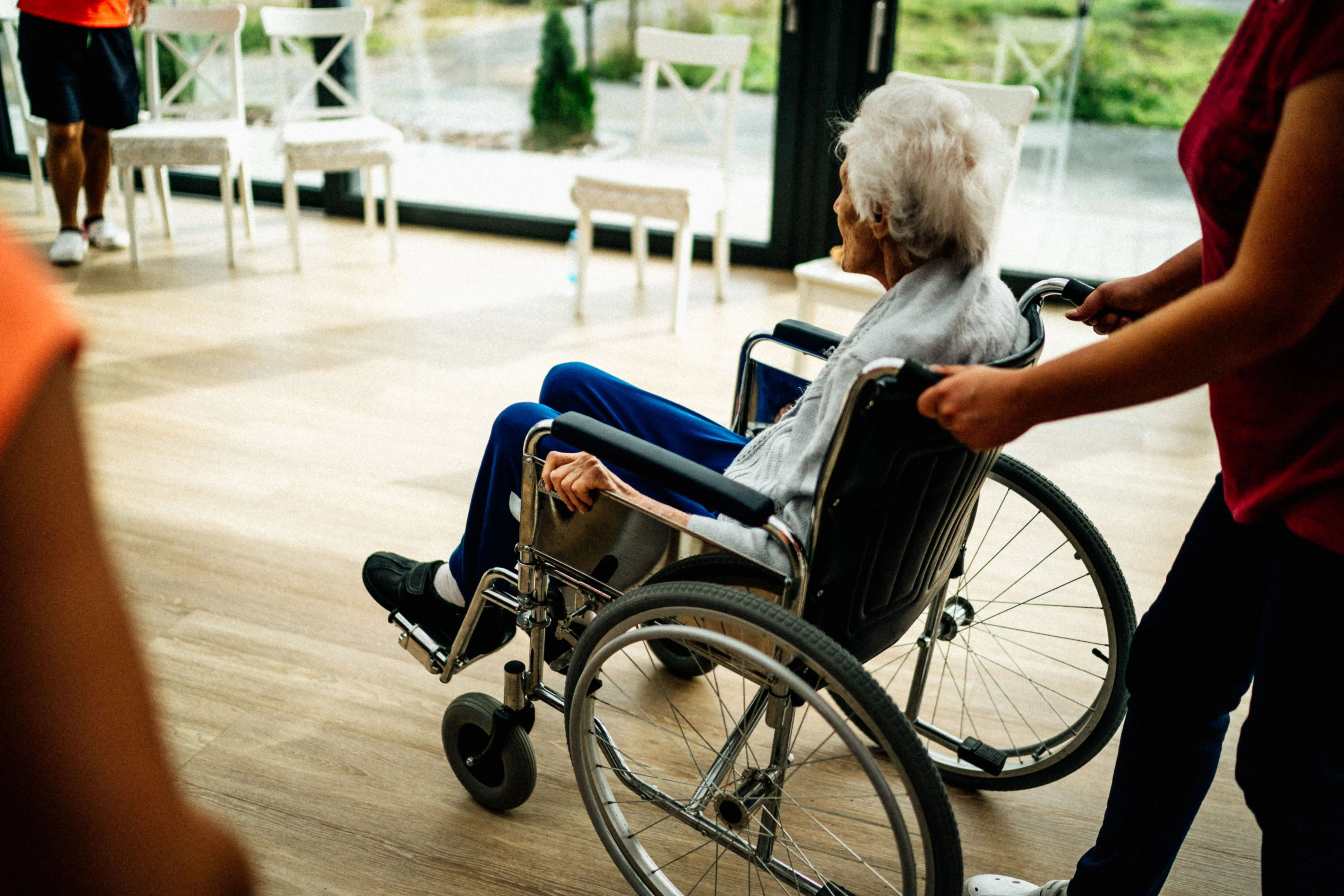
The day a parent is discharged from hospital usually brings a wave of relief. It can also be the start of a demanding few weeks. In hospital, a whole team handled medicines, meals, check-ups and helping your parent out of bed. Once you are home, much of that becomes the family’s job, often while everyone is still tired from the hospital stay itself.
A little planning before discharge day makes those first weeks calmer and safer. This checklist covers the questions that tend to come up once you are back home.
Before you leave the hospital
The discharge conversation can feel rushed, so go in with a list. Ask the treating doctor or nurse:
- What has changed with the medicines? Which medicines are new, which have been stopped and which have a different dose? What is each one for, and when should it be taken?
- What should recovery look like? Find out what is normal over the next few days, such as some tiredness, mild pain or a poor appetite, and what is not.
- Which warning signs need a call to the doctor, and which need emergency care? Write these down and keep them where everyone at home can see them.
- When is the follow-up appointment? Note the date, and any tests that need to be done before it.
- Are there any restrictions? For example on climbing stairs, lifting, bathing, food or travel.
- Is any equipment needed? A walker, commode chair, hospital bed or other aid can make the first weeks much safer.
Ask for the discharge summary and keep it in one folder with the prescriptions and test reports. It is the first thing any doctor, nurse or caregiver will want to see.
Get the home ready before your parent arrives
If you can, prepare the home a day early, or ask a relative to do it while you handle the discharge.
- Choose the right room. If stairs are difficult, set up a bedroom on the ground floor for the first few weeks, ideally close to a bathroom.
- Clear a path. Move furniture, wires, loose rugs and clutter out of the way between the bed, the bathroom and the place your parent will sit during the day.
- Light the way. A night light between the bedroom and the bathroom makes night-time trips safer.
- Make the bathroom safer. A non-slip mat, a sturdy stool for bathing and a raised toilet seat or commode chair can make a real difference.
- Keep essentials within reach. Water, spectacles, a mobile phone and the TV remote should sit on a table beside the bed or chair.
- Stock up. Collect the new medicines before you get home, and keep simple, easy-to-digest food in the house, following any diet advice from the hospital.
Set up a simple medicine routine
Medicine mix-ups are easy to make after a hospital stay, especially when the list has changed.
- Write out a medicine chart with the name of each medicine, the dose, the time, and whether it is taken before or after food.
- Use a weekly pill organiser, filled by one person, so anyone can see at a glance whether a dose has been taken.
- Put away old medicines that have been stopped, so they are not taken by mistake.
- Do not change or stop a medicine without speaking to the doctor, even if your parent is feeling better.
The first two weeks: what to keep an eye on
Recovery is rarely a straight line, and some days will be better than others. Keep a simple daily note of how your parent is eating, drinking, sleeping and moving, along with any readings the doctor has asked you to record, such as blood pressure or blood sugar. If you need to call the doctor, it helps to have this in front of you.
Contact the doctor promptly if you notice anything on the warning-sign list from the hospital, or if something simply does not seem right: new confusion, a fever, pain that is getting worse, breathlessness, a wound that looks red or is leaking, or your parent eating and drinking much less than usual. In an emergency, call 108 or 112 for an ambulance.
Encourage movement, gently
Long periods in bed can quickly weaken muscles, particularly in older adults. Unless the doctor has advised otherwise, short, supported walks around the home and sitting up for meals help your parent regain strength and confidence.
If the hospital or a physiotherapist has given exercises, try to make them part of the daily routine, at the same time each day. If your parent seems unsteady, stay close by when they walk, and read our guide to preventing falls at home.
Share the load
Caring for someone after a hospital stay can be a round-the-clock job, and it is common for one family member to end up carrying most of it. Agree early on who will handle medicines, meals, appointments and nights.
If the care needed is more than the family can manage, or needs nursing skills, arranging professional help for the first few weeks can give everyone, including your parent, a steadier start.
How Aayush can help
At Aayush Home Health Solutions, we help families in Bangalore with care at home after a hospital stay, including home nursing, physiotherapy and help arranging medical equipment. Care follows the advice of the treating doctor. If your parent is coming home soon, get in touch and tell us what the hospital has advised. We can help you plan the support they will need.